We collect data through a variety of methods in order to get a comprehensive view of the status of bats in Illinois.
North American Bat Monitoring Program Acoustics
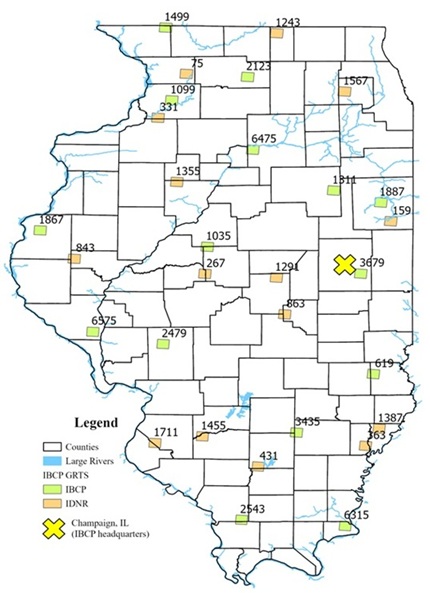
Our collaborative effort collects acoustic data from 30 North American Bat Monitoring Program (typically referred to as GRTS – generalized random tessellation stratified) survey cells. Read more about the North American Bat Monitoring Program
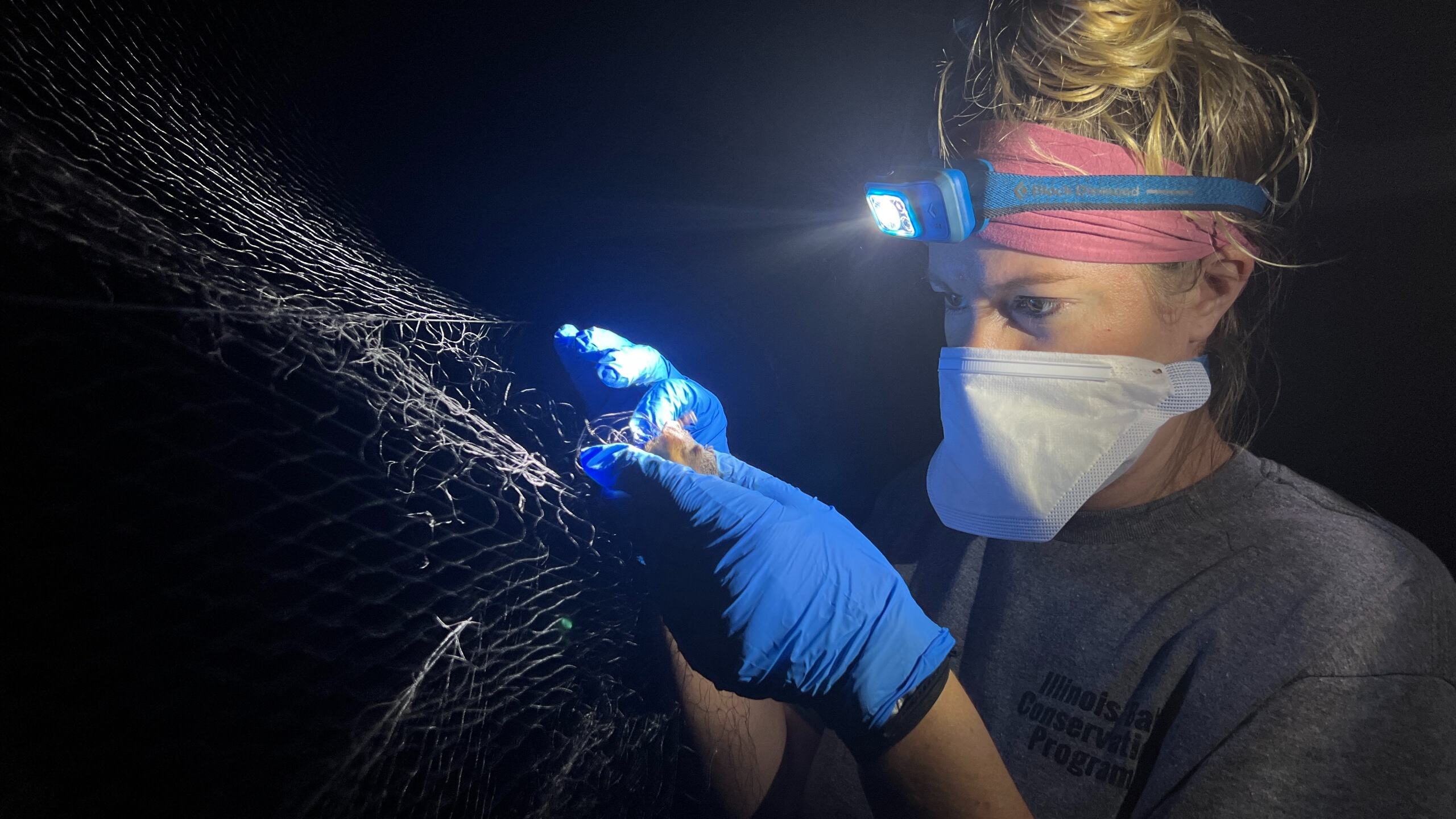
Mist Netting
Our field team conducts mist netting, which is the capture of bats to identify species, sex, reproductive information and then releasing the bats again.
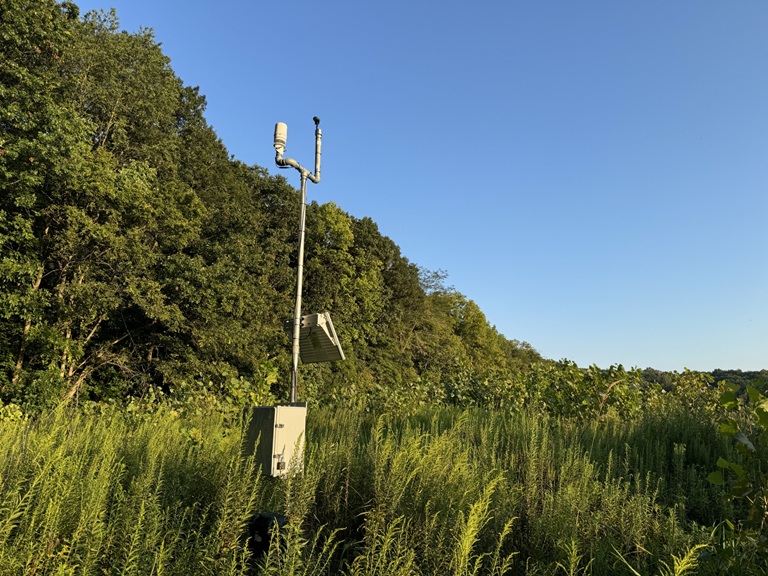
Long term monitoring stations
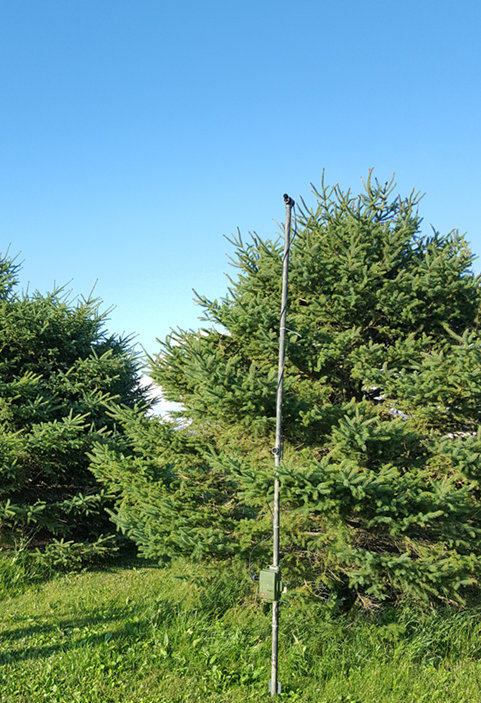
We have been installing acoustic recorders with weather stations that are collecting data year round at sites throughout Illinois to better understand bat movement patterns especially during migration.
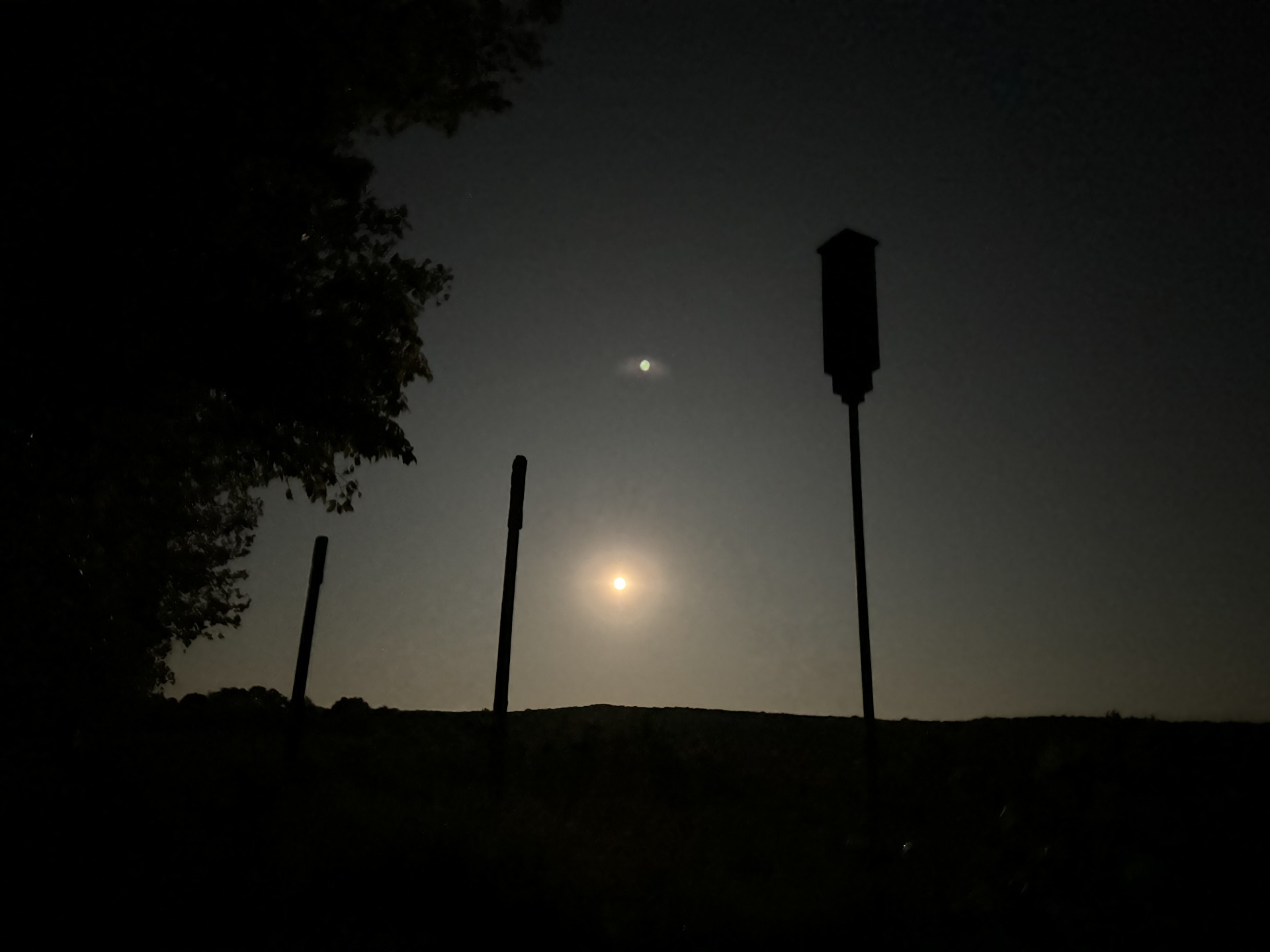
Roost monitoring
We collect information on roosts through our online roost form, work with organizations like Grand Prairie Friends, and collect guano samples for genetic identification to monitor use and understand how species use different roost types.
Genetic analysis
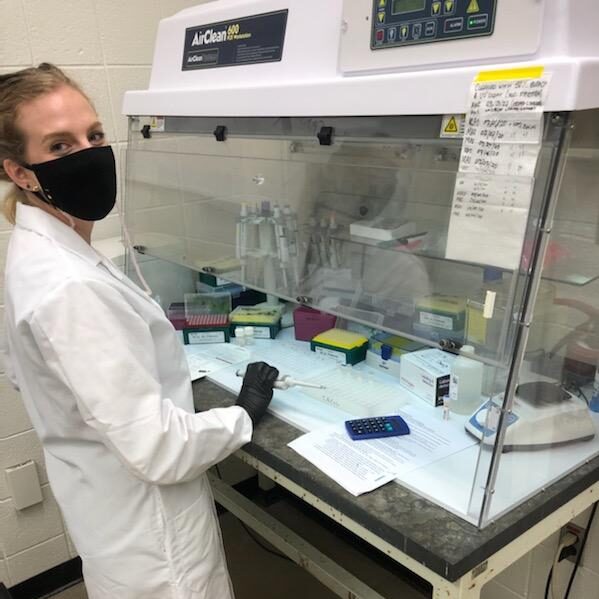
We analyze genetic information from a variety of sources including guano samples and wing punches from bats in hand during mist netting. We also use bat carcasses from the Midwest Bat Repository, part of the Illinois Natural History Survey mammal collection.